
My Five Authors
Modern faith writers who have shaped my spiritual life and ministry
So much of my own journey of faith has been shaped and guided by the words of faithful men and women. While I could easily include dozens of authors here from Henri Nouwen to James H. Cone to Karen Swallow Prior, I chose these five as writers who entered my life in formative seasons and whose words have shaped my faith and approach to ministry.
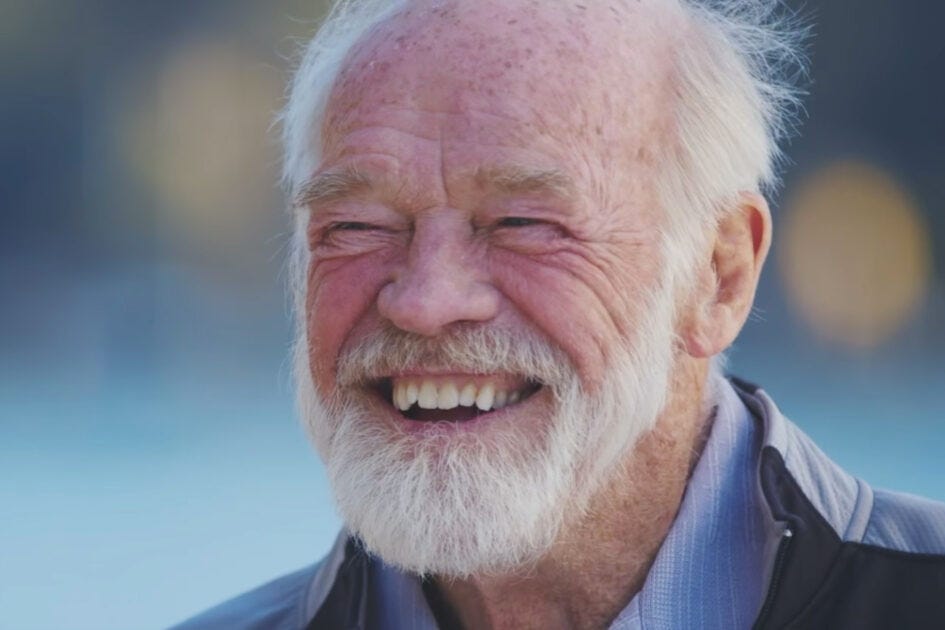
Eugene Peterson
Outside of pastoral circles, Peterson is most often remembered as the translator of The Message paraphrase. Growing up in the era that The Message was being released piecemeal into the world, I was told not to trust the modern language renderings and Peterson’s “reckless and sloppy” view of Scripture.
Through the years as I encountered his books and ultimately his memoir, The Pastor, I came to see him as someone with an extremely high view of Scripture and with a dedicated (if countercultural) approach to congregational ministry. His love of the beauty of Scripture and its overarching story and his love for the care of souls have impacted both my study of God’s Word and my work in the local church. Peterson led me to deeper love of God, of wonder, of the Bible, of God’s people, and my role of teaching and ministering within the context of a small, imperfect congregation.

Rachel Held Evans
Evans is the one author on my list who is truly of my own generation. Like Peterson, she moved across lines in faith spaces and became a voice for myself and many of my peers who wrestled with loving God while feeling unheard in the traditional churches of our childhoods. Her memoir, Searching for Sunday, featuring youth rooms, church camps, SEC rivalries, and the pains of disillusion, confusion, and doubt reads like the autobiographies of thousands of thoughtful young Christians raised in the evangelical church spaces of 1980s-2000s.
When Rachel died suddenly from an allergic reaction in 2019, the loss was staggering for her family, friends, and her readers. The books, social media presence, conference work, and advocacy she gave us in a short time have continued to play a major part in changing the conversations for millennial Christians and faith seekers and in opening wide a door leading others to ask questions and to wrestle with the realities of the faith we inherited.
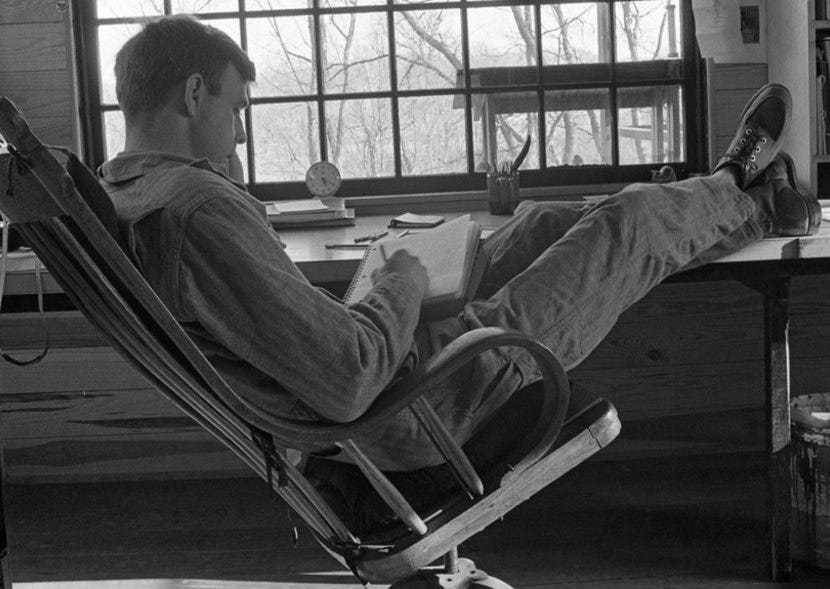
Wendell Berry
While writing in almost every genre, Berry offers a prophetic, poetic witness to the power of anchoring in one place over a lifetime. From his home in Port Royal, KY, Berry has rooted his poetry in the experience of generational kinship and in a life lived in faith to a place and its people. The novels and stories shaped around the lives and the passage of time among the fellowship of souls in his fictional Port William, KY may technically be written as prose but read as poetry. While Berry’s essays range over many themes, all are rooted in his passionate experience of (and commitment to) a physical place and his defense of the way of life lived there.
As Peterson praised a lifetime of vocation in the small, local church, Berry praises a lifetime of work to know and to be known in a small, local community. Berry’s ability to notice and describe so much of what many never pause to see has been a practical and aspirational guide for my own work living in rural America.
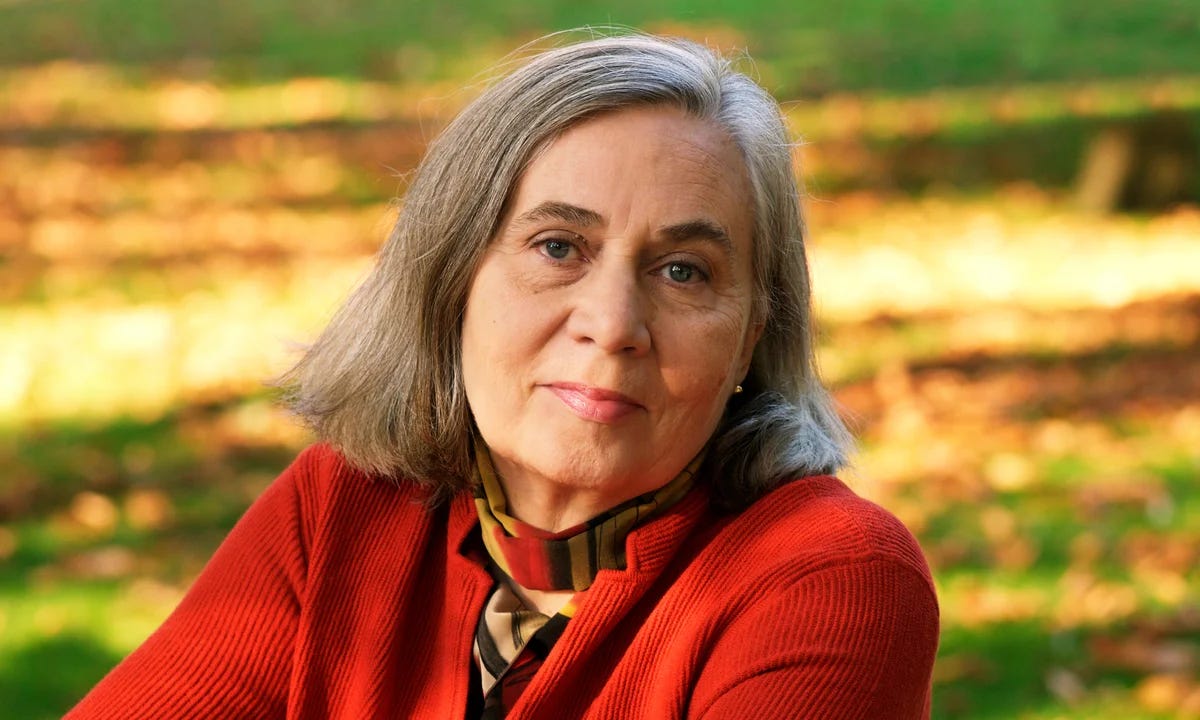
Marilynne Robinson
While I have often struggled with Robinson’s nonfiction, Gilead changed my life and my approach to local ministry when I first read it in 2005. The Pulitzer Prize winning novel takes place within the life, times, and town of an edlerly Congregationalist pastor bridging his grandfather’s homesteading Civil War generation to the life of the child his mysterious young wife bore to him in old age. When my undergraduate English professor shared this book with me, I read it with such an intimate awe of the internal life of Reverend Ames, and I have continued to reread and ponder it over the last 20 years.
In recent years, Robinson’s Reading Genesis offered a powerful literary encounter with Scripture’s oldest and most formative stories.

Leonard Allen
In the small lending library of my childhood church, I first read Allen’s Distant Voices: Uncovering a Forgotten Past for a Changing Church. In exploring the untold (and at times deliberately downplayed) historical aspects of my Restorationist/ Stone-Campbell heritage, Allen’s work helped me to see that practices and principles that I and many others had taken for granted as long settled were in fact the results of choices made and circumstances encountered in the awkward coming-of-age of the church.
Allen’s work on Stone-Campbell history and his own approach of engaging current faith issues through the lens of past challenges has sharpened me as I think about my own Christian walk and seek balance in both praising and critiquing the heritage of our faith.
I want to know more about Rachel Held Evans, her works, and recommended readings.
Malcolm Guite, Madeleine L’Engle, Wendell Berry, Frederick Buechner, Parker Palmer